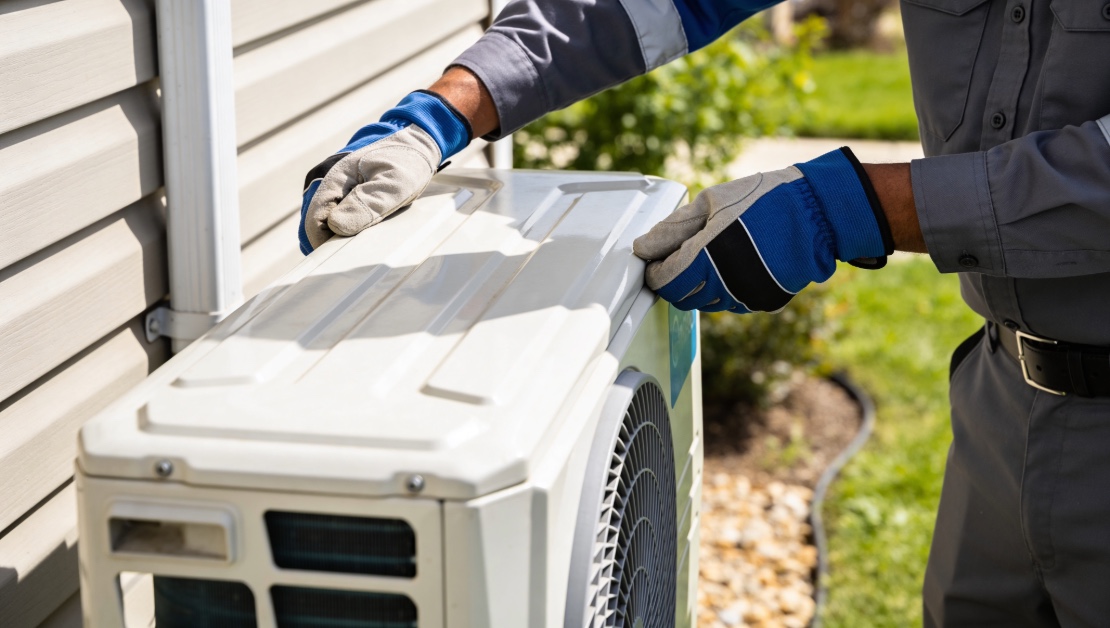
As energy tariffs continue to fluctuate and the push for sustainable living accelerates across the United Kingdom, homeowners and property investors in the capital are increasingly scrutinizing how they power and climate-control their spaces. The era of relying solely on legacy fossil-fuel infrastructure is rapidly drawing to a close. Modern property owners are recognizing that upgrading to high-efficiency, renewable technologies is no longer just an environmental obligation but a financially sound strategy. By integrating advanced heat pump technologies, comprehensive https://geslondon.co.uk, and intelligent climate control systems, residents can dramatically reduce their operational costs while future-proofing their properties against volatile utility markets. This guide provides an in-depth exploration of the most effective residential energy upgrades available today, detailing how they work, who they benefit, and why they represent the smartest investment for London properties.
The Shift Towards Sustainable Home Energy in London
London stands at the forefront of the UK’s green energy transition. With stringent building regulations, expanding Ultra Low Emission Zones, and ambitious municipal net-zero targets, the capital is actively phasing out carbon-intensive heating methods. The regulatory environment increasingly favors properties that demonstrate measurable energy efficiency. Homeowners who proactively adapt to these shifts not only comply with current and future legislation but also position their assets for higher market valuations. Properties equipped with modern renewable systems consistently attract premium buyers and tenants who prioritize low running costs and environmental responsibility.
The financial landscape for residential upgrades has also evolved significantly. Government-backed initiatives, such as the Boiler Upgrade Scheme (BUS) and the Smart Export Guarantee (SEG), have lowered the barrier to entry for sustainable technologies. These incentives, combined with the long-term depreciation of traditional gas boiler costs, create a compelling economic case for switching to renewable alternatives. Understanding this shift is crucial for anyone looking to modernize their home’s infrastructure, as it transforms what was once considered a luxury expenditure into a strategic, income-positive asset upgrade.
Why Modern Heating and Cooling Matter
Energy efficiency is the cornerstone of modern residential comfort. Older heating systems often operate at low coefficients of performance (COP), wasting substantial energy through heat loss and inefficient combustion. In contrast, contemporary renewable systems are engineered to extract and transfer thermal energy rather than generate it from scratch. This fundamental difference translates to lower monthly expenditures, reduced strain on the national grid, and a significantly smaller carbon footprint.
For property owners, the benefits extend beyond environmental impact. Modern systems provide consistent, even temperature distribution, eliminate the need for frequent fuel deliveries, and integrate seamlessly with smart home ecosystems. Whether you own a Victorian terrace, a post-war semi-detached home, or a new-build apartment, upgrading your climate control infrastructure enhances daily comfort while safeguarding your budget against future energy price spikes.
Understanding Heat Pump Technology
Heat pumps represent a paradigm shift in residential heating. Unlike conventional boilers that burn natural gas or oil to generate heat, heat pumps operate on the principle of thermodynamic heat transfer. They extract ambient thermal energy from the outside air, the ground, or water sources, and concentrate it within a building’s heating circuit. This process is remarkably efficient, typically delivering three to five units of heat for every single unit of electricity consumed.
The technology is particularly well-suited for London’s temperate climate. Even when outdoor temperatures drop below freezing, sufficient thermal energy remains in the environment to be harvested. Modern compressors and advanced refrigerants ensure that these systems maintain high performance levels year-round, providing reliable warmth during cold snaps and efficient cooling during warmer months.
Air Source vs. Ground Source Systems
When evaluating https://geslondon.co.uk, homeowners generally choose between air source and ground source configurations. Air source heat pumps (ASHPs) are the most popular choice for urban and suburban properties due to their relatively straightforward installation requirements. These units are mounted externally, typically on an exterior wall or ground plinth, and connect directly to the home’s internal pipework and radiators. They excel in properties with moderate insulation levels and are widely compatible with underfloor heating systems when properly sized.
Ground source heat pumps (GSHPs), on the other hand, utilize loops of pipe buried underground to extract heat from the earth, which maintains a stable temperature regardless of seasonal air fluctuations. While GSHPs often demonstrate slightly higher efficiency ratings, they require substantial garden space, specialized trenching equipment, and higher initial capital outlay. For most London residences, particularly those with limited outdoor areas, air source models offer the optimal balance of performance, cost, and practicality.
The Role of Air to Air Heat Pumps
Another highly effective option is the https://geslondon.co.uk. These split systems operate similarly to traditional air conditioners but are specifically engineered for high-efficiency thermal transfer. They consist of an external compressor unit and one or more internal wall-mounted heads that distribute conditioned air directly into living spaces. Air to air heat pumps are particularly advantageous for period properties where internal radiators cannot be easily upgraded or for extensions where underfloor heating is impractical. They provide rapid temperature adjustments, quiet operation, and dual functionality for both winter heating and summer cooling.
Harnessing Solar Energy for Residential Properties
While heat pumps provide exceptional climate control, they rely on electricity to operate. Pairing a heat pump with a photovoltaic (PV) array creates a synergistic energy ecosystem that maximizes both environmental and financial returns. https://geslondon.co.uk converts sunlight directly into usable electricity, which can power the heat pump, household appliances, lighting, and EV chargers. This self-generation strategy drastically reduces reliance on the national grid, insulating homeowners from tariff volatility.
Solar Panel Installation London: Process & Benefits
The process of https://geslondon.co.uk begins with a comprehensive site assessment. Professional engineers evaluate roof pitch, orientation, shading obstructions, and structural integrity to determine optimal panel placement. In London, south-facing roofs with minimal tree cover yield the highest annual yields, but modern bifacial panels and micro-inverters have made east-west and even north-facing installations highly viable.
A standard residential setup includes high-efficiency monocrystalline panels, a string or micro-inverter system, mounting rails, and often a battery storage unit. Battery banks allow homeowners to store surplus daytime generation for evening use, further optimizing self-consumption rates. The installation itself is non-intrusive, typically completed within one to two days, and involves minimal disruption to daily routines. Properly engineered systems are designed to withstand extreme weather conditions and are backed by comprehensive warranties ranging from twenty-five to thirty years.
Maximizing Returns with Solar Installation Packages
For homeowners seeking a streamlined approach, https://geslondon.co.uk offer significant advantages. These turnkey solutions bundle design, supply, installation, commissioning, and ongoing maintenance into a single contract. By consolidating these services, homeowners benefit from coordinated engineering, optimized system sizing, and unified warranty coverage. Package deals frequently include smart energy monitoring software, enabling real-time tracking of production, consumption, and battery levels via mobile applications. This integrated approach ensures that every component works harmoniously, maximizing overall system efficiency and long-term value.
Comprehensive HVAC and Renewable Services
Transitioning to renewable energy does not mean abandoning traditional expertise. Modern property maintenance increasingly requires a hybrid skill set that bridges conventional HVAC knowledge with renewable technology certification. Qualified professionals ensure that every component, from legacy gas lines to new PV arrays, operates safely and efficiently.
The Importance of Qualified Heating Engineers
Even as the industry pivots toward electrification, many London properties still utilize gas boilers for peak demand or as backup systems. https://geslondon.co.uk remain essential for maintaining these systems, conducting annual safety checks, and performing efficiency optimizations. More importantly, certified engineers are now increasingly trained in renewable technologies. They understand how to integrate heat pumps with existing underfloor circuits, size radiators correctly for lower temperature outputs, and troubleshoot hybrid systems that combine multiple heat sources. Engaging certified professionals ensures compliance with building codes, maintains manufacturer warranties, and guarantees long-term system reliability.
Air Conditioning London: Beyond Basic Cooling
Modern https://geslondon.co.uk installations serve multiple functions beyond simple temperature reduction. Advanced split systems and VRF (Variable Refrigerant Flow) units incorporate sophisticated filtration, dehumidification, and ventilation capabilities. In tightly sealed, energy-efficient homes, proper ventilation is critical to maintaining indoor air quality and preventing condensation-related issues. Smart thermostats and zoning controllers allow residents to target specific rooms, reducing energy waste while enhancing comfort. For commercial spaces and multi-unit residential buildings, centralized air conditioning solutions provide scalable, programmable climate management that aligns perfectly with sustainability goals.
Frequently Asked Questions
1. How much can I realistically save by switching to a heat pump? Upgrading to a modern https://geslondon.co.uk can reduce heating costs by thirty to fifty percent compared to electric resistance heating and significantly less than oil or LPG systems. Actual savings depend on property insulation, window glazing, and current system efficiency. Properly sized and commissioned units deliver the highest returns.
2. Are solar panels effective in London’s climate? Absolutely. London receives ample sunlight throughout the year, and modern photovoltaic technology is highly efficient even in overcast conditions. A well-positioned https://geslondon.co.uk will generate substantial electricity year-round, with peak production occurring during summer months and consistent output continuing through winter.
3. What is the difference between an air source and ground source heat pump? An air source system extracts thermal energy from the outdoor atmosphere, while a ground source unit harvests heat from subterranean loops. Ground source systems generally offer higher seasonal efficiency but require extensive groundworks and larger upfront investment. Air source models are more versatile for urban properties with limited outdoor space.
4. Do I need a Gas Safe registered engineer for a heat pump installation? No, heat pumps are electrical devices and do not require Gas Safe certification. However, the installation must be performed by MCS-approved renewable energy installers to qualify for government grants and ensure compliance with Part P electrical regulations. Existing gas systems still require certified https://geslondon.co.uk for servicing.
5. How long do residential solar panels typically last? Modern photovoltaic arrays are engineered for longevity, with manufacturer warranties guaranteeing eighty to ninety percent of original output after twenty-five years. With proper maintenance, panels frequently continue generating electricity for thirty to forty years, making them a durable long-term investment.
6. Can a heat pump provide both heating and cooling? Yes. Most contemporary https://geslondon.co.uk are reversible, meaning they can extract heat from indoors and expel it outdoors during summer months. This dual functionality eliminates the need for separate air conditioning units in many residential applications.
7. What exactly are solar installation packages London? These are comprehensive service bundles that include system design, component supply, professional installation, commissioning, and often annual maintenance. They simplify the upgrade process by providing a single point of accountability, optimized engineering, and consolidated warranty coverage.
8. Is it worth installing solar panels in London? Yes. The combination of reduced electricity bills, potential income from the Smart Export Guarantee, and increased property value makes solar energy highly viable. Even with variable weather, the return on investment typically materializes within seven to ten years, followed by two decades of virtually free electricity.
9. How do I choose between different heat pump systems? Selection depends on your property’s heat loss characteristics, existing distribution system, available outdoor space, and budget. A professional heat loss calculation will determine whether an https://geslondon.co.uk, https://geslondon.co.uk, or hybrid configuration best matches your home’s thermal profile.
10. What maintenance do renewable heating systems require? Heat pumps and solar arrays are remarkably low-maintenance. Annual professional inspections ensure refrigerant levels, electrical connections, and mounting hardware remain secure. Solar panels may require occasional cleaning to remove dust or pollen, while heat pumps benefit from filter checks and system diagnostics to maintain peak efficiency.
Conclusion
Transitioning to modern, sustainable energy infrastructure is one of the most impactful upgrades a property owner can undertake. By integrating high-efficiency heat pumps, comprehensive photovoltaic arrays, and intelligent climate control systems, you can dramatically lower your operational expenses while significantly reducing your environmental footprint. The key to a successful upgrade lies in partnering with experienced professionals who understand both traditional HVAC principles and cutting-edge renewable technologies. Whether your goal is to https://geslondon.co.uk with a new air source system or to harness the sun’s power with a professionally engineered photovoltaic setup, the right choice can transform your home into a highly efficient, future-ready environment. Take the first step toward energy independence and long-term savings by contacting our expert team today. Visit https://geslondon.co.uk to schedule a comprehensive property assessment and discover how our tailored solutions can optimize your home’s performance. Invest in your property’s longevity, comfort, and financial resilience with confidence. Let our certified engineers guide you toward a cleaner, more cost-effective energy future that delivers measurable results for years to come.