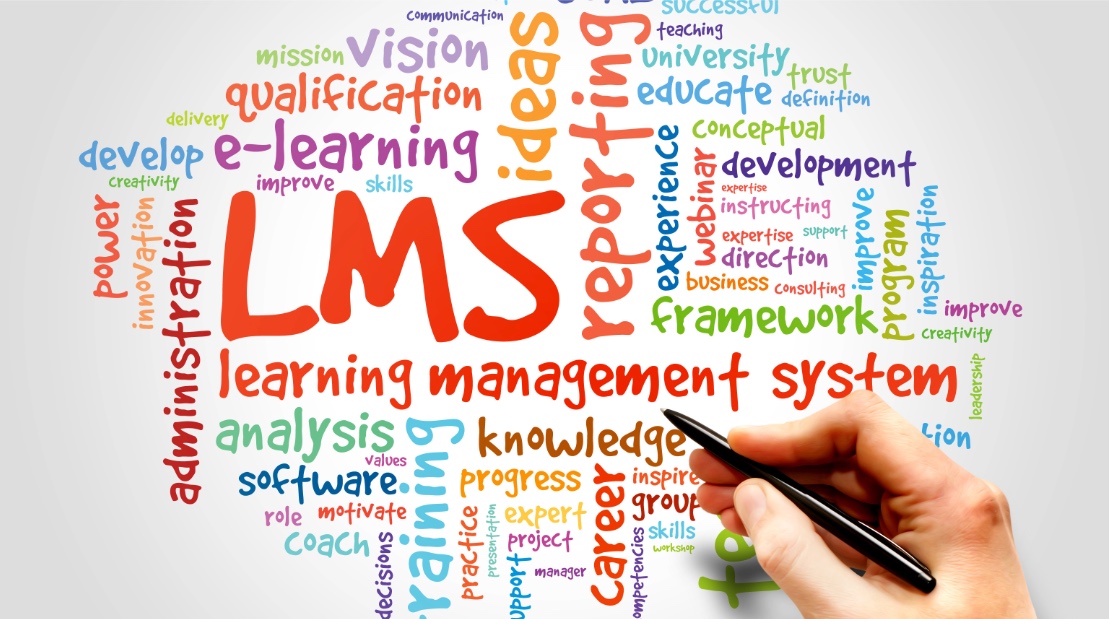
Organizations operating in highly regulated or rapidly scaling environments face a distinct set of challenges. The traditional approach to training—often fragmented across spreadsheets, disparate departments, and ad-hoc sessions—is no longer sufficient. Modern leadership requires a unified strategy where learning is not just a checkbox exercise but a core driver of operational excellence and risk mitigation. At the heart of this transformation lies a robust enterprise learning platform, which serves as the central nervous system for all corporate learning management initiatives.
When an enterprise learning management system is implemented effectively, it does more than deliver courses; it creates a cohesive workplace learning ecosystem. This shift allows HR leaders, compliance officers, and department heads to align individual staff development goals with broader organizational objectives. By moving away from siloed training methods, companies can ensure that every employee, from the shop floor to the boardroom, has access to consistent, high-quality online corporate training. This guide explores how a strategic LMS for businesses can streamline compliance management, accelerate workforce development, and provide the data-driven insights necessary to sustain long-term growth.
The Strategic Shift: Why Modern Organizations Need a Corporate Learning Platform
The decision to deploy a corporate learning platform is rarely just about technology; it is about addressing fundamental business pressures. As organizations grow, the complexity of managing mandatory training increases exponentially. Without a centralized organisational learning platform, ensuring that every employee meets regulatory standards becomes a logistical nightmare. Inconsistencies in knowledge transfer can lead to compliance breaches, operational errors, and reputational damage.
A modern enterprise LMS addresses these challenges by providing a scalable infrastructure capable of handling complex user hierarchies and diverse training requirements. Unlike basic learning management system tools designed for small teams, an enterprise LMS is built for volume and security. It supports thousands of concurrent users, integrates with existing HRIS and SSO systems, and offers granular permissions to ensure data privacy.
Centralizing Training Operations
One of the primary advantages of a corporate LMS is the ability to centralize training operations. Instead of managing separate spreadsheets for health and safety, data protection, and technical upskilling, administrators can manage all content within a single interface. This training management system approach reduces administrative overhead and minimizes the risk of human error.
Furthermore, a staff training platform enables consistent content delivery across geographically dispersed teams. Whether your workforce is distributed across multiple time zones or operates in remote locations, an employee training platform ensures that everyone receives the same standardized instruction. This consistency is vital for maintaining brand integrity and ensuring that safety protocols or quality standards are understood uniformly.
Supporting Diverse Learning Needs
A workforce learning platform must also be adaptable to different learning styles and roles. Modern LMS for businesses solutions offer features like role-based access, customizable dashboards, and mobile accessibility. These features ensure that the digital learning platform is not only powerful for administrators but also engaging for learners. When employees can access training on their own devices and at their own pace, adoption rates improve, and online staff training becomes a seamless part of the daily workflow.
Core Capabilities: Driving Compliance and Risk Mitigation
For many industries, compliance management is the foundational use case for an enterprise training software. However, a compliance training platform should do more than just track completion rates; it should proactively manage risk. Regulatory landscapes are constantly shifting, and organizations must be agile in their response. A sophisticated mandatory training platform allows administrators to update content instantly and reassign relevant modules to affected staff with a single click.
Automating Mandatory Training Workflows
Manual tracking of employee compliance training is fraught with risk. Deadlines are missed, certifications expire, and audit trails are incomplete. A compliance training platform automates these workflows to ensure accountability. When a policy changes or a new regulation is introduced, the system can automatically assign the relevant mandatory training modules to specific user groups. This ensures that no employee falls through the cracks, regardless of their department or location.
Additionally, certification management features provide a layer of assurance. The system can track expiration dates for critical certifications, such as first aid, forklift operation, or data privacy credentials. Automated alerts can be sent to both employees and managers when a certification is nearing expiration, ensuring that compliance learning records remain current. This proactive approach significantly reduces organizational risk and simplifies the audit process.
Streamlining Audit and Reporting
In the event of an audit, having a training reporting system in place is essential. A compliance training platform generates detailed, audit-ready reports that provide proof of compliance. These reports can be customized to show completion rates, assessment scores, and certification status for specific departments or individuals. Training reporting capabilities allow compliance officers to demonstrate due diligence to regulators, insurers, and stakeholders with confidence.
Moreover, learning analytics integrated into a corporate LMS can identify trends in compliance performance. For example, if a particular region consistently shows lower completion rates for safety modules, leadership can investigate the underlying causes, such as language barriers or scheduling conflicts. This data-driven approach to compliance management turns a reactive process into a strategic advantage.
Beyond Mandatory Training: Fostering Professional Development and Growth
While compliance keeps the organization safe, professional development drives it forward. Employees today expect opportunities to grow their careers, and a professional development platform is the ideal vehicle for delivering structured growth opportunities. By offering learning pathways and leadership development training, organizations can boost engagement, retention, and internal mobility.
Structured Learning Pathways
A learning management system that supports learning pathways allows organizations to create structured sequences of content tailored to specific roles or career goals. For instance, a sales representative might follow a pathway that includes product knowledge, negotiation skills, and CRM training. A software engineer might have a pathway focused on coding languages, security best practices, and agile methodologies.
These learning pathways provide a clear roadmap for employee development, helping staff understand what skills they need to acquire to advance in their careers. When employees see a transparent path for growth, motivation and loyalty typically improve. An employee development platform also enables managers to assign personalized pathways based on individual performance reviews, fostering a supportive and motivating work environment.
Leveraging Accredited CPD Courses
In many professions, maintaining professional credentials requires Continuing Professional Development (CPD). A CPD platform that offers accredited CPD courses adds significant value for employees, as they can earn recognized qualifications while contributing to the organization's goals. This alignment of personal and corporate objectives strengthens the employer brand and positions the company as a supportive corporate learning platform.
Offering accredited CPD courses also demonstrates a commitment to corporate professional development. It attracts top talent who are eager to invest in their own growth and signals to the market that the organization values expertise. Furthermore, accredited CPD courses often carry a higher perceived value, making the training more engaging and motivating for participants.
Leadership Development Training
Investing in leadership development training is crucial for building a pipeline of future leaders. A workforce learning platform can host specialized programs for emerging leaders, covering topics such as emotional intelligence, strategic thinking, and change management. These programs can be delivered through a mix of online content, virtual workshops, and mentorship modules.
By using a digital learning platform to support leadership development training, you ensure that leadership skills are consistently reinforced and measured. You can track the progress of high-potential employees and identify those who are ready for promotion, ensuring that your organization is always prepared for future leadership transitions. This focus on workplace learning for leaders pays dividends in organizational resilience and adaptability.
Optimizing Workforce Development with Data and Analytics
The true power of an enterprise learning management system lies in its ability to generate insights. Learning analytics and training dashboards provide the data needed to evaluate the effectiveness of your training programs and make informed decisions. In an era where ROI is scrutinized, data-driven corporate learning management is essential.
Measuring Engagement and ROI
Training reporting allows you to measure key metrics such as completion rates, assessment scores, and learner engagement. By analyzing this data, you can determine which courses are effective and which need improvement. You can also track the impact of training on business metrics, such as sales performance, customer satisfaction, or error rates, to demonstrate the ROI of your corporate learning management initiatives.
A training dashboard provides a visual representation of these metrics, making it easy for stakeholders to understand the impact of workforce development efforts. Dashboards can be customized for different audiences, providing HR with detailed reports and executives with high-level summaries. This transparency builds trust and supports investment in online corporate training.
Identifying and Closing Skills Gaps
Learning analytics can also identify skills gaps across the organization. By analyzing assessment results and course performance, you can pinpoint areas where employees struggle or where knowledge is lacking. This information can be used to develop targeted training programs to address these gaps, ensuring that your workforce has the skills needed to meet current and future business demands.
A skills development platform that leverages learning analytics enables proactive workforce planning. Instead of waiting for skills gaps to impact performance, you can address them before they become critical issues. This approach supports workforce development by ensuring that your team is always equipped with the latest knowledge and capabilities.
Enhancing Training Management Efficiency
A training management system with advanced training reporting capabilities reduces the time spent on administrative tasks. Automated reporting and certification management features streamline the process of tracking compliance and generating reports. This efficiency allows HR and L&D teams to focus on strategic initiatives, such as curriculum design and leadership development training, rather than manual data entry.
Enhancing Onboarding and Retention Through a Structured Employee Training Platform
The employee onboarding platform is often the first touchpoint a new hire has with an organization's workplace learning culture. A well-designed employee onboarding platform can significantly impact time-to-productivity and employee retention. By providing a structured online staff training experience, you can ensure that new hires feel supported, informed, and connected from day one.
Accelerating Time-to-Productivity
A staff training platform dedicated to onboarding can automate the assignment of role-specific training modules, compliance courses, and cultural orientation. This ensures that every new employee receives the same high-quality introduction to the organization, regardless of when they join or which department they are assigned to. By streamlining the onboarding process, you can accelerate time-to-productivity and help new hires become valuable contributors more quickly.
Fostering a Culture of Continuous Learning
An employee training platform that supports staff development from the start of employment sets the tone for a culture of continuous learning. When new hires see that the organization invests in their growth through learning pathways and professional development platform resources, they are more likely to stay engaged and committed. This sense of investment is a powerful driver of retention, especially in competitive talent markets.
Supporting Remote and Hybrid Workforces
For organizations with remote or hybrid workforces, an employee onboarding platform is essential for maintaining connection and consistency. Online staff training allows new hires to complete onboarding activities from anywhere, while virtual introductions and digital mentorship programs help them build relationships with colleagues. A workforce learning platform that supports remote learning ensures that no employee is left behind, regardless of their location.
Implementation Best Practices for an Enterprise Training Software Rollout
Successfully implementing an enterprise training software requires careful planning and execution. A corporate learning platform is only as effective as the strategy behind it. By following best practices, you can maximize adoption, ensure compliance, and achieve your workforce development goals.
Aligning Training with Business Objectives
Before selecting a learning management system, define clear business objectives. What are the key outcomes you want to achieve? Is it reducing compliance risks, improving sales performance, or accelerating leadership development training? Aligning your LMS for businesses implementation with these objectives ensures that the platform supports your strategic priorities.
Engaging Stakeholders and Users
Change management is critical for the success of a digital learning platform. Engage stakeholders early in the process to gather requirements and build support. Communicate the benefits of the staff training platform to employees, highlighting how it will make their work easier and support their staff development. Involving users in the selection and rollout process increases buy-in and adoption.
Continuous Improvement and Optimization
Implementing an enterprise LMS is not a one-time project; it is an ongoing process. Use learning analytics and training reporting to monitor performance and identify areas for improvement. Regularly update content to reflect changes in regulations, products, and best practices. Solicit feedback from learners and managers to refine the online corporate training experience. A commitment to continuous improvement ensures that your corporate learning management strategy remains relevant and effective.
Frequently Asked Questions
What is the primary difference between a standard LMS and an enterprise learning platform?
A standard learning management system is often designed for smaller organizations with simpler needs. In contrast, an enterprise learning platform is built for scalability, complex hierarchies, and advanced features like learning analytics and certification management. It can handle thousands of users, integrate with multiple systems, and support complex compliance learning requirements.
How does a training dashboard benefit managers?
A training dashboard provides real-time visibility into team progress, completion rates, and overdue training. It enables managers to monitor compliance management, identify skill gaps, and support staff development proactively. This data-driven approach helps managers make informed decisions about their team's capabilities.
What are the key benefits of a skills development platform?
A skills development platform offers diverse content for upskilling and reskilling, supports personalized learning pathways, and fosters a culture of continuous staff development. It helps organizations adapt to changing business needs and retain top talent by providing clear career progression opportunities.
How can an enterprise LMS support remote and hybrid workforces?
An enterprise LMS supports remote and hybrid workforces by providing online staff training that is accessible from anywhere. Features like mobile accessibility, virtual workshops, and digital collaboration tools ensure that distributed teams receive consistent workplace learning experiences.
What role does a CPD platform play in corporate learning?
A CPD platform offers accredited CPD courses that allow employees to earn recognized professional qualifications. This aligns personal career goals with organizational objectives, enhances corporate professional development, and attracts talent who value continuous learning and credentialing.
How does learning analytics improve ROI?
Learning analytics provide insights into the effectiveness of training programs by tracking metrics like completion rates, assessment scores, and behavioral changes. This data allows organizations to measure the impact of corporate learning management on business outcomes and optimize training strategies for better ROI.
What is certification management and why is it important?
Certification management tracks the issuance and expiration of professional certifications and credentials. It is crucial for compliance management in regulated industries, ensuring that employees maintain required qualifications. Automated alerts and reporting simplify audits and reduce risk.
How can an employee onboarding platform reduce turnover?
An employee onboarding platform creates a positive first impression by providing structured online staff training and clear learning pathways. When new hires feel supported and see opportunities for staff development, they are more likely to stay with the organization, reducing turnover rates.
What features should I look for in a compliance training platform?
Look for features like automated course assignment, real-time training reporting, and certification management tools. These features ensure that employee compliance training is completed on time and that the organization remains audit-ready at all times.
How does a skills development platform support workforce development?
A skills development platform identifies skill gaps and provides targeted online corporate training to address them. By fostering a culture of continuous workplace learning, organizations can adapt to industry changes and ensure their workforce development efforts remain relevant and impactful.
What is the role of an HR training platform?
An HR training platform integrates training with HR processes like performance reviews and succession planning. It supports leadership development training and professional development platform initiatives, ensuring that talent management strategies are aligned with business goals.
How does an enterprise LMS handle scalability?
An enterprise LMS is designed to handle large user bases and complex organizational structures. It supports LMS for businesses with thousands of employees, ensuring that online staff training and mandatory training programs are delivered efficiently without performance issues.
What are learning pathways and why are they important?
Learning pathways are structured sequences of courses that guide employees through specific skill development goals. They are essential for employee development platform initiatives, providing clear roadmaps for staff development and helping employees achieve their career aspirations.
How does a digital learning platform enhance engagement?
A digital learning platform uses interactive content, gamification, and social learning features to boost
For further reading, see enterprise learning platform.